Sun Tzu’s Secret Formula for Winning in Business and Life | Chapter 1: Laying Plans | Art of War | Lumir S Vinod
Introduction
The Art of War is a legendary book written by the legendary military commander and strategist Sun Tzu. It was written around 2,500 years ago and is still very powerful in the fields of business, politics, personal growth, and more. It is highly regarded because you can apply its principles in many areas of life. Here, we are going to explain Chapter 1, Laying Plans, very clearly so people can understand and learn from it.
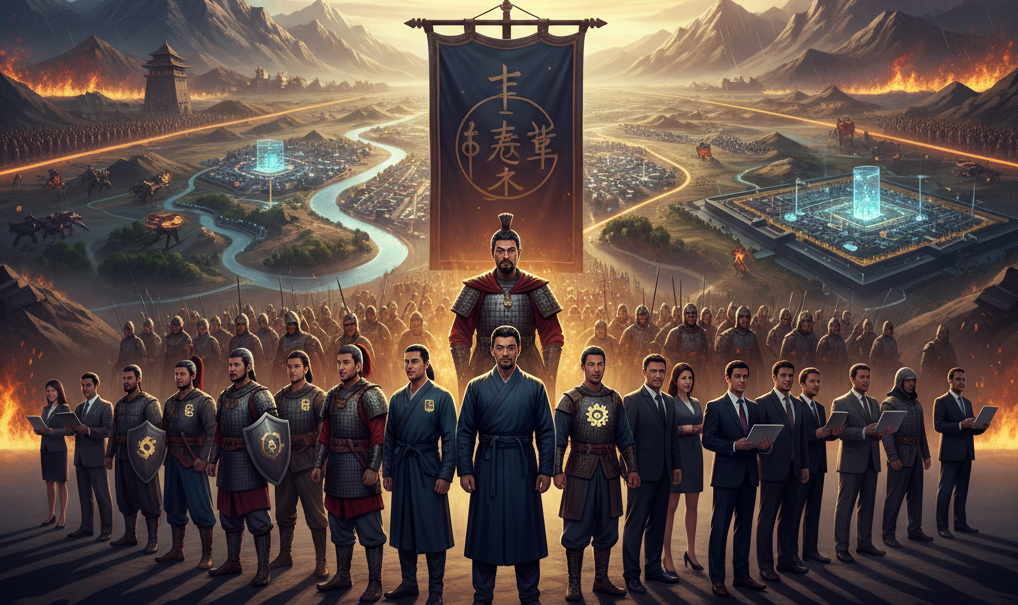
Chapter 1: Laying Plans
At first, he tells us that war is very important for the state, so we must take it seriously and not treat it like a child’s play.
Now, I have a question for you: I am going to tell you three stages of war. In which stage can we determine when we will win?
First stage: Planning stage.
Second stage: During the war.
Third stage: At the end.
Now try to answer it.
Most people will answer the second stage or the third stage, but that is not correct. It is the first stage. Sun Tzu tells us that laying plans is very important, and it determines who will win the war. The one who plans carefully has the highest chance of winning, and the one who does not spend time on planning will definitely lose.
The Sun Tzu Framework of Winning
Here, he gives us a framework to analyze victory and decide whether we should engage in a war or not. It is true: a good strategist is one who knows when to fight and when not to, while cowards are those who fight even when there is no chance of winning.
Now, we are going to explain the framework’s five elements.
First Element: Moral Law
In War: The soldiers should believe in the commander and his goal. If that happens, they will be willing to give their lives for the commander. But if they do not believe, there is a chance of internal conflict or betrayal. So first, make them believe in the vision and mission.
In Business: The coworkers and the people around you must fully believe in the company’s vision. Then they will give their 100% to achieve the goal. Basically, if you cannot sell the dream first, you will fail due to a lack of motivation in your team.
Second Element: Heaven
This is not about the literal heaven; it refers to things we cannot control but can only adapt to. Here, you can only take actions, but they will not change the fundamental dynamics of the battlefield.
In War: In a war, you cannot control the climate or weather on the battlefield, but you can adapt to it. For example, an ordinary person cannot make it stop raining, but they can be smart enough to carry an umbrella. That is what Sun Tzu is saying: do not fight against things beyond your control, but use them to your advantage. Sometimes fighting in the morning is beneficial, other times at night, use it wisely. Also, remember that the enemy can use these conditions to their advantage too.
Example: It’s raining heavily in a mountain pass. You can choose to wait, take a different route, or prepare your troops better, but you cannot stop the rain. You adapt, but the rain’s effect on movement and visibility stays.
In Business: Factors like market conditions, technological advancements, and laws cannot be controlled, but you can adapt to them and use them for your advantage. For example, trying to build an AI platform in the 1930s would have failed, but in today’s scenario, the market is favorable. This analysis alone can decide whether you should “fight” now or wait. If the market or laws are against you, pivot or postpone.
Third Element: Earth
This is about things you can act on and your actions can change the dynamics of the battlefield. Unlike Heaven, which is beyond our control and only adaptable, Earth is directly influenced by your decisions.
In War: It involves the terrain and positioning. For example, if you are fighting in a narrow area between mountains, a small army can defend against a larger one. Building a trench on the battlefield may also give you an advantage. These are actions within your control that can change the course of the battle.
In Business: Your pricing strategy, distribution channels, and choice of niche, especially if it is underexplored by competitors, are things you can decide and use to reshape the business dynamics completely.
Fourth Element: Commander
This is about the leader, who must have a balanced character. They should not be too kind, as that can be perceived as weak, leading to lack of respect or authority., and not too strict, as that may demoralize the team and create fear rather than loyalty. They must be wise and disciplined. The person in charge should have a balanced character. It inspires respect, trust, and obedience while maintaining morale.
In War: This refers to the general or the king.
In Business: This refers to the CEO.
Fifth Element: Method and Discipline
Even if you have all the first four elements, without a good system and discipline, you will fail. A good strategy without a system and discipline is like a vehicle without wheels; it cannot run or take you far.
In War: If you are a commander with a balanced character, everyone believes in you, you have the Earth advantage, and your army loves you, but you cannot provide them enough food, can they fight? If you do not assign proper roles and titles, can they stay motivated and coordinated? Eventually, you will fail.
In Business: You must assign roles based on people’s skills, build a strong system, and ensure the team is disciplined. In short: vision, character, resources, and morale matter, but without a disciplined system to channel them, they won’t achieve results. It’s why most failed startups don’t fail because of ideas, but because of execution and structure.
What’s Next?
If you have evaluated this, it is okay, but it is just the beginning. This is not only about you; you must also evaluate your enemies. Then compare yourself with them. This comparison gives you an idea of who will probably win the war and whether you should continue it or not.
If you have advantages in almost all of the five elements, then fight. You are likely to win. If you are equal, improve your position and then fight. You can win. If you do not have any advantage in these five areas, do not fight. Retreat for now.
The most important principle is that all warfare is based on deception. This is not about being unethical. It is about visually deceiving your opponents, making them think you are weak when you are actually at your most powerful. This makes them overconfident and likely to attack, which is the kind of deception Sun Tzu describes in the book.
Conclusion
Amateurs always rely on hope, but professional strategists rely on calculations. Those who rely on calculations will win. Always remember, hope is not a strategy.
Comments
Post a Comment